Smart home technology is no longer limited to newly built houses. With smart home retrofit solutions, existing homes can also enjoy modern automation without major structural changes. This approach allows homeowners to upgrade their living space using connected devices, sensors, and automation systems.
A smart home retrofit focuses on improving comfort, convenience, and energy efficiency. It involves adding or replacing certain devices so they can communicate with each other through apps or voice assistants.
In simple terms, it is about making your current home smarter without starting from scratch.
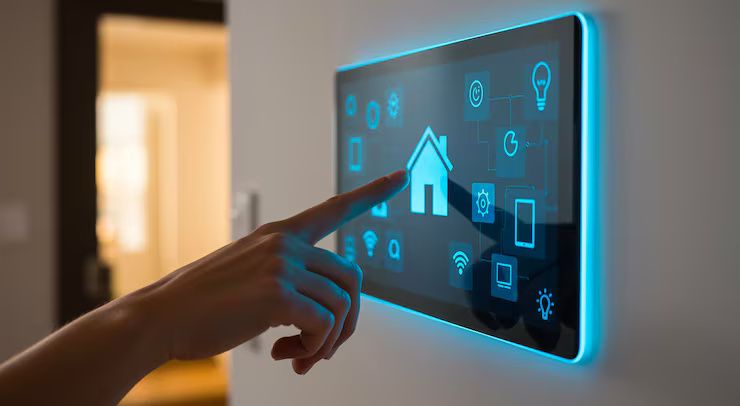
Why Smart Home Retrofit Is Becoming Popular
More people are exploring smart home retrofit options because they are practical and adaptable. Instead of moving into a new smart home, individuals can gradually upgrade their current space.
Here are some reasons behind its growing popularity:
- It works well with existing home structures
- It allows gradual upgrades over time
- It enhances everyday convenience
- It improves energy management
- It supports remote control and automation
Another important factor is flexibility. You can start small, like adding smart lighting, and expand later with devices such as smart thermostats or security systems.
Key Features of a Smart Home Retrofit
A smart home retrofit includes several features that improve how a home functions. These features are designed to simplify daily tasks and provide better control.
Smart Lighting Systems
Smart lighting is often the first step in a retrofit project. It allows users to control lights using mobile apps or voice commands.
Common benefits include:
- Scheduling lights to turn on or off
- Adjusting brightness and color
- Creating mood-based lighting scenes
This feature also helps reduce unnecessary energy use.
Smart Climate Control
Smart thermostats and climate systems make it easier to maintain a comfortable indoor environment. These systems can learn user preferences and adjust automatically.
Key advantages include:
- Temperature control from anywhere
- Automated scheduling
- Better energy efficiency
This feature is especially useful for maintaining comfort during seasonal changes.
Smart Security and Monitoring
Security is a major reason people consider smart upgrades. A retrofit can include cameras, motion sensors, and smart locks.
Typical features include:
- Real-time alerts on mobile devices
- Remote access to cameras
- Automated door locking systems
These tools provide peace of mind whether you are at home or away.
Voice and App Integration
Most smart home systems connect with voice assistants or mobile apps. This makes controlling devices simple and intuitive.
Users can:
- Turn devices on or off using voice commands
- Manage settings through a single app
- Automate multiple devices together
This integration creates a seamless experience across the home.
Understanding HomeKit Blinds Retrofit
One of the more advanced upgrades in smart home retrofit is the homekit blinds retrofit. This feature allows window blinds to be controlled automatically through Apple’s HomeKit ecosystem.
How HomeKit Blinds Retrofit Works
HomeKit-compatible motors are added to existing blinds. These motors connect to a smart hub or directly to a mobile device.
Once connected, users can:
- Open or close blinds remotely
- Schedule movement based on time of day
- Sync blinds with other smart devices
For example, blinds can open automatically in the morning and close at night.
Benefits of Smart Blinds Integration
Smart blinds add both comfort and efficiency to a home.
Some key benefits include:
- Improved natural lighting control
- Enhanced privacy
- Reduced heat gain during hot days
- Better energy management
They also work well with voice assistants, making them easy to operate without manual effort.
Installation Insights for Smart Home Retrofit
Installing a smart home retrofit system does not always require major changes. However, proper planning helps ensure a smooth setup.
Assessing Your Current Home Setup
Before starting, it is important to understand your existing electrical and network setup. This helps determine which devices are compatible.
Consider:
- Wi-Fi coverage across the home
- Power supply for smart devices
- Existing fixtures like switches and outlets
A strong and stable internet connection is essential for most smart systems.
Choosing Compatible Devices
Not all smart devices work together. It is important to choose products that support the same ecosystem, such as Apple HomeKit, Google Home, or Alexa.
This ensures:
- Better device communication
- Easier control through a single platform
- Reduced setup complications
Compatibility plays a big role in creating a smooth user experience.
Professional vs DIY Setup
Some smart home retrofit tasks are simple enough for self-installation. Others may require technical expertise.
DIY-friendly upgrades include:
- Smart bulbs and plugs
- Voice assistants
- Basic sensors
More complex installations may involve:
- Smart wiring systems
- Security cameras
- Motorized blinds
Choosing the right approach depends on your comfort level and the complexity of the setup.
Common Challenges and How to Handle Them
While smart home retrofit offers many benefits, there can be some challenges during installation and use.
Connectivity Issues
Smart devices rely heavily on internet connectivity. Weak signals can lead to delays or disconnections.
To improve connectivity:
- Use a reliable router
- Consider mesh Wi-Fi systems
- Place devices within range
Stable connectivity ensures smooth operation.
Device Compatibility Problems
Mixing devices from different brands can sometimes cause issues. Not all devices communicate well with each other.
To avoid this:
- Stick to one ecosystem when possible
- Check compatibility before adding new devices
- Use hubs that support multiple protocols
This helps maintain a consistent setup.
Learning Curve
For beginners, understanding smart home systems may take some time. However, most apps are designed to be user-friendly.
Helpful tips include:
- Start with basic devices
- Explore app tutorials
- Gradually expand your setup
With time, managing a smart home becomes second nature.
Future Trends in Smart Home Retrofit
Smart home technology continues to evolve, and retrofit solutions are becoming more advanced and accessible.
Some emerging trends include:
- Increased use of artificial intelligence for automation
- Better energy management systems
- Enhanced integration with wearable devices
- Improved voice recognition technology
Another trend is the focus on sustainability. Smart systems are being designed to reduce energy usage and support eco-friendly living.
Homekit blinds retrofit and similar features are also becoming more refined, offering smoother operation and deeper integration with other devices.
Final Thoughts on Smart Home Retrofit
A smart home retrofit is a practical way to upgrade your living space without major changes. It brings modern technology into existing homes, making everyday tasks easier and more efficient.
From smart lighting to homekit blinds retrofit, there are many ways to enhance comfort and convenience. The key is to start with simple upgrades and expand gradually based on your needs.
With proper planning and the right devices, transforming your home into a smart space can be a smooth and rewarding experience.