Metal roofing for homes has become a popular choice for homeowners looking for durability, efficiency, and modern appeal. Unlike traditional roofing materials, metal roofs are known for their long lifespan and ability to handle different weather conditions.
Today, many homeowners explore options like home depot metal roofing or search for metal roofers in my area to understand what suits their needs. This guide will help you understand everything in a simple and practical way.
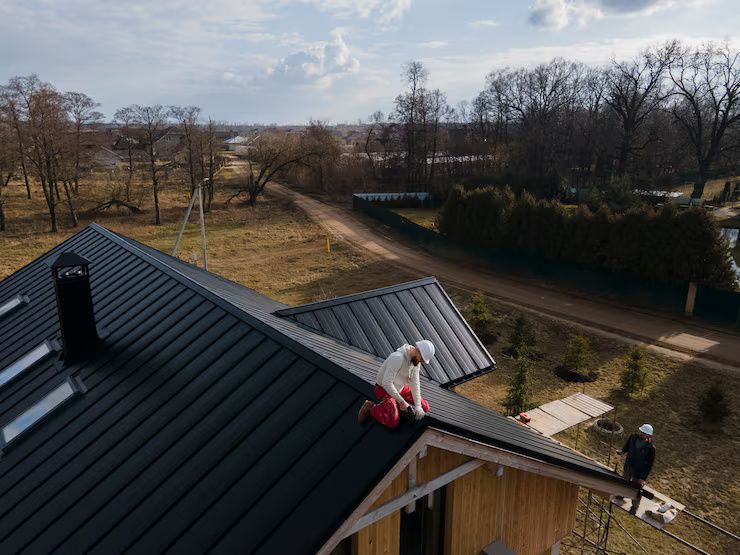
What is Metal Roofing and How Does It Work?
Metal roofing is made from materials such as steel, aluminum, copper, or zinc. These materials are designed into panels or shingles that are installed on top of your home’s structure.
The design allows water, snow, and debris to slide off easily. This reduces the risk of leaks and damage over time. It also helps maintain the overall strength of the roof.
Metal roofs usually come with protective coatings that prevent rust and improve durability. This makes them suitable for both hot and rainy climates.
Types of Metal Roofing for Homes
Choosing the right type of metal roof depends on your preferences and home design. Here are some common options:
Standing Seam Metal Roof
This is one of the most popular styles. It features raised seams that run vertically along the roof.
- Clean and modern appearance
- Strong resistance to water leaks
- Low maintenance
Metal Shingles
Metal shingles are designed to look like traditional roofing materials such as wood or slate.
- Classic look with modern performance
- Suitable for residential homes
- Lightweight and durable
Corrugated Metal Roofing
This type has a wavy pattern and is often used for both residential and utility structures.
- Affordable and lightweight
- Easy to install
- Good for simple roof designs
Key Benefits of Metal Roofing
Metal roofing offers several advantages that make it appealing to homeowners.
Long-lasting Performance
Metal roofs are known for their durability. They can last for decades with proper care, making them a reliable long-term solution.
Weather Resistance
These roofs can handle heavy rain, strong winds, and even extreme temperatures. They are less likely to crack or warp compared to other materials.
Energy Efficiency
Metal reflects sunlight, which helps keep homes cooler during hot weather. This can improve indoor comfort.
Low Maintenance
Once installed, metal roofing requires minimal upkeep. Occasional cleaning and inspections are usually enough.
Environmentally Friendly
Many metal roofs are made from recycled materials and can be recycled again at the end of their life.
Things to Consider Before Choosing Metal Roofing
Before making a decision, it’s important to evaluate a few factors.
Climate Compatibility
Metal roofs perform well in most climates, but it’s still important to choose the right coating and material based on your region.
Noise Levels
Some people worry about noise during rain. However, proper insulation can reduce this significantly.
Style and Appearance
Metal roofing comes in various colors and finishes. Choose a style that complements your home’s exterior.
Installation Expertise
Searching for metal roofing contractors in my area can help you find professionals who understand proper installation methods.
Installation Process of Metal Roofing
Understanding the installation process can help you know what to expect.
Preparation Stage
The old roofing material is removed, and the surface is inspected for any damage. A protective layer is then added.
Panel Installation
Metal panels or shingles are carefully placed and secured. Proper alignment is important to avoid gaps.
Sealing and Finishing
Edges and seams are sealed to prevent water leakage. Final adjustments ensure everything is secure.
Maintenance Tips for Metal Roofs
Metal roofs are easy to maintain, but regular care can extend their lifespan.
- Clean debris such as leaves and dirt
- Check for loose panels or fasteners
- Inspect for scratches or coating damage
- Keep gutters clean to avoid water buildup
Routine inspections help detect small issues before they become bigger problems.
Common Myths About Metal Roofing
There are several misconceptions about metal roofs. Let’s clear up a few.
Metal Roofs Attract Lightning
Metal does not attract lightning. It is actually safer because it is non-combustible.
They Are Too Noisy
With proper insulation, noise levels are similar to other roofing types.
Metal Roofs Rust Easily
Modern coatings protect against rust, making this less of a concern.
Comparing Metal Roofing with Traditional Roofing
Metal roofing differs from traditional materials in several ways.
- Longer lifespan compared to asphalt shingles
- Better resistance to weather damage
- Lower maintenance needs over time
- More modern and versatile design options
Traditional roofing may still suit some homes, but metal offers added durability and efficiency.
Finding the Right Professionals
When planning a roofing project, many homeowners search for metal roofers in my area to find skilled professionals.
Look for contractors who:
- Have experience with metal roofing
- Provide clear timelines and plans
- Use quality materials
- Offer proper guidance and support
Choosing the right team ensures proper installation and long-term performance.
Conclusion
Metal roofing for homes is a smart and practical option for many homeowners. It combines durability, energy efficiency, and modern design in one solution.
Whether you are exploring home depot metal roofing or looking for metal roofing contractors in my area, understanding the basics helps you make informed decisions.
By choosing the right type, ensuring proper installation, and maintaining it regularly, a metal roof can provide reliable protection and enhance your home for years to come.